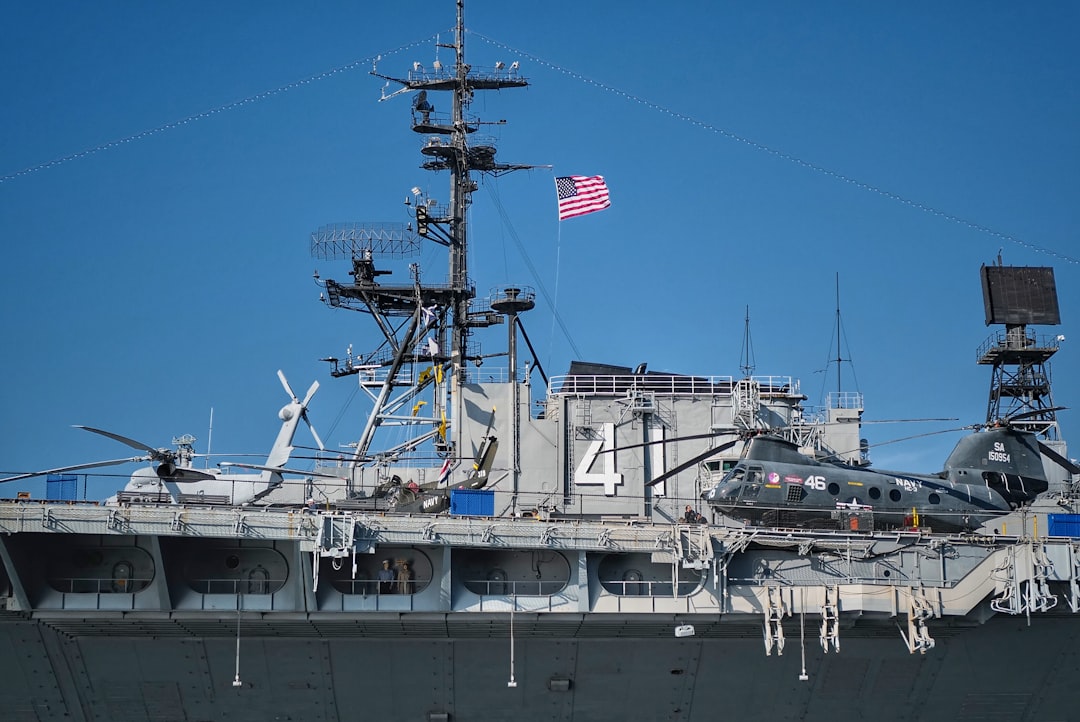
The USS Abraham Lincoln, an American aircraft carrier that has stayed at sea for more than 250 days, has become the focus of mounting concern over the welfare of its roughly 5,000 crew members. Reports from aboard the vessel describe shortages of food and basic hygiene supplies, malfunctioning plumbing, unreliable laundry service and disruptions to mail delivery that have left care packages stranded for months.
The carrier departed California in November and was later redirected to the Middle East ahead of U.S. strikes on Iran in February. Its deployment, originally scheduled to end in May, has been extended multiple times, with no return date announced. Multiple outlets reported Thursday that the Navy is preparing to replace the ship with the USS George Washington under a previously planned rotation.
The conditions have drawn sharp scrutiny from lawmakers. Connecticut Senator Richard Blumenthal, a Democrat on the Armed Services Committee, wrote to Defense Secretary Pete Hegseth listing reported problems including water contamination, deteriorating mental health, deck safety concerns and lost mail. He questioned whether the Navy can sustain the operational tempo demanded of its carrier force. Fellow Democrat Ruben Gallego of Arizona called on the military to allow a congressional delegation to visit the ship and conduct an oversight investigation.
Defense Secretary Hegseth dismissed the reports as “completely misrepresented” while speaking to reporters in Panama, expressing gratitude for the sailors and saying the military is providing everything it can. A Navy official told the BBC that supply hubs had been disrupted by combat actions but that the service was prioritizing food, hygiene items and mail, and that current reports confirm access to clean water, working air conditioning and healthy meals. A White House spokeswoman said both Hegseth and President Trump are committed to ensuring the military has the resources needed to counter any threat.
Military news outlets reported that some sailors had attempted to jump overboard, and CBS News, citing unnamed officials, said a sailor went overboard earlier this month, was recovered by helicopter, treated and transferred off the ship for further care. The incident is under investigation. Relatives of crew members told the Military Times and Stars & Stripes that extended time at sea and shipboard conditions were harming some sailors’ mental health. One family member told the BBC their relative had lost 65 pounds during the deployment, describing constant noise and vibration and no chance to decompress on land: “He said, ‘I’m dead tired. Dead.’”
The episode has renewed attention to the stresses of long naval deployments. A study of 956 sailors released in January 2025 found that U.S. Navy personnel experience the highest rates of serious psychological distress among military branches, citing poor habitability, noise and demanding schedules. Suicide remains a leading cause of death in the Navy and Marine Corps, according to an analysis of military data, and veterans face higher suicide rates than the general population.