Washington published a report on Thursday asserting that more than 40 countries, including Canada, India, Mexico, Japan and South Korea, helped China sidestep US tariffs by routing exports through nations subject to lower American import duties. The White House said the practice allowed Beijing to avoid paying tens of billions of dollars in tariffs on goods entering the United States.
According to the report, China used third countries as stopovers and repackaged goods to conceal their true origin and obtain lower tariff rates. The administration described the scheme as “fraud cloaked in paperwork” and dubbed it the “Great Transshipment Scam,” saying the network’s speed, scale and sophistication had grown dramatically. US trade adviser Peter Navarro said the evasion had cost American jobs and billions in revenue.
The Chinese embassy in Washington responded by saying “trade wars have no winners” and expressed opposition to US tariff measures and the use of state power to target Chinese companies. A spokesperson added that no unilateral action or agreement concerning transshipped goods should target or harm the interests of third parties.
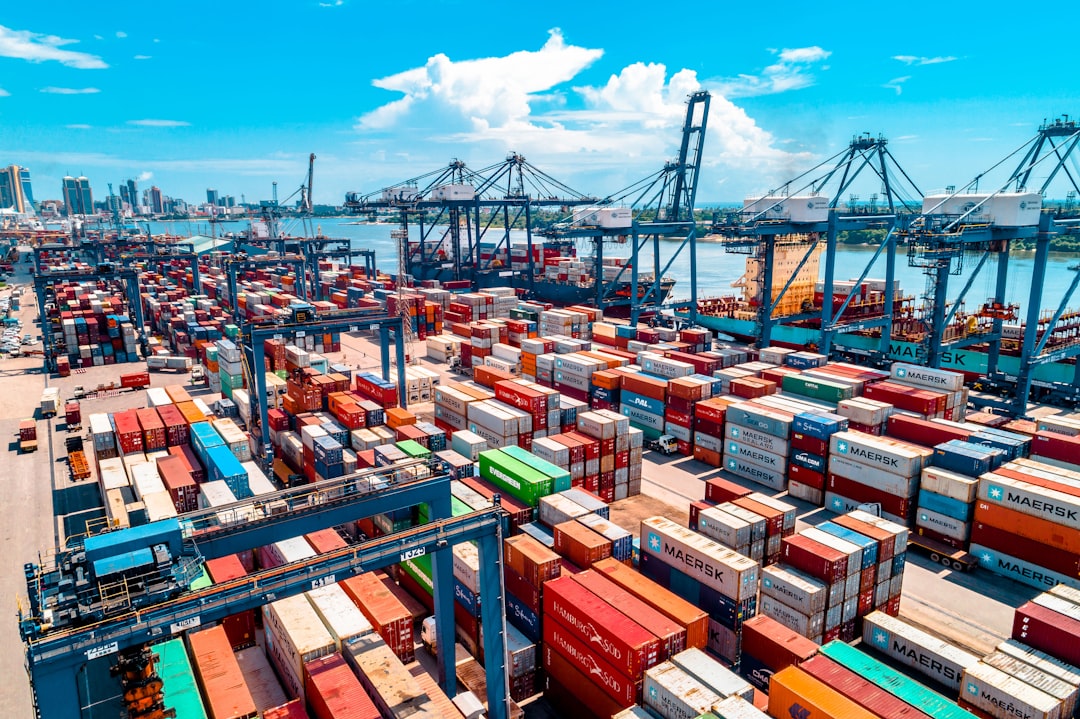
Transshipment involves transferring cargo through an intermediate country before reaching its final destination. The White House cited government and private estimates suggesting that between $30 billion and roughly $300 billion in goods had been rerouted from higher-tariff countries through lower-tariff ones. It also said the US had deployed artificial intelligence tools to detect such evasion.
The report lands as Washington and Beijing continue exchanging sanctions and ahead of a planned meeting between President Donald Trump and Chinese leader Xi Jinping in the US in September. Chang Pao Li, associate professor of economics at Singapore Management University, said the report could strengthen Washington’s bargaining position by showing that China still has indirect access to the US market, and that any broader trade deal would need to address third-country routing as well.
Chang noted that some shifts in trade flows may reflect legitimate production relocation and supply-chain reorganization, but added that economies deeply integrated with Chinese supply chains could now face additional risk and cost. The report comes after a pause in most tariffs following talks in May 2025 and a series of mutual sanctions, including restrictions on humanoid robots shipped to the US and tighter Chinese controls on drone exports. Trump’s sweeping April 2025 tariffs on dozens of partners were struck down by the Supreme Court, but he has since used other legal avenues to reintroduce tariffs.