British households are bracing for a fresh cost-of-living squeeze as official data due out this week is expected to show that surging energy costs pushed inflation up to nearly 3% in July. Economists predict the consumer prices index will rise to 2.9%, up from 2.6% in June, according to Office for National Statistics figures scheduled for release on Wednesday.
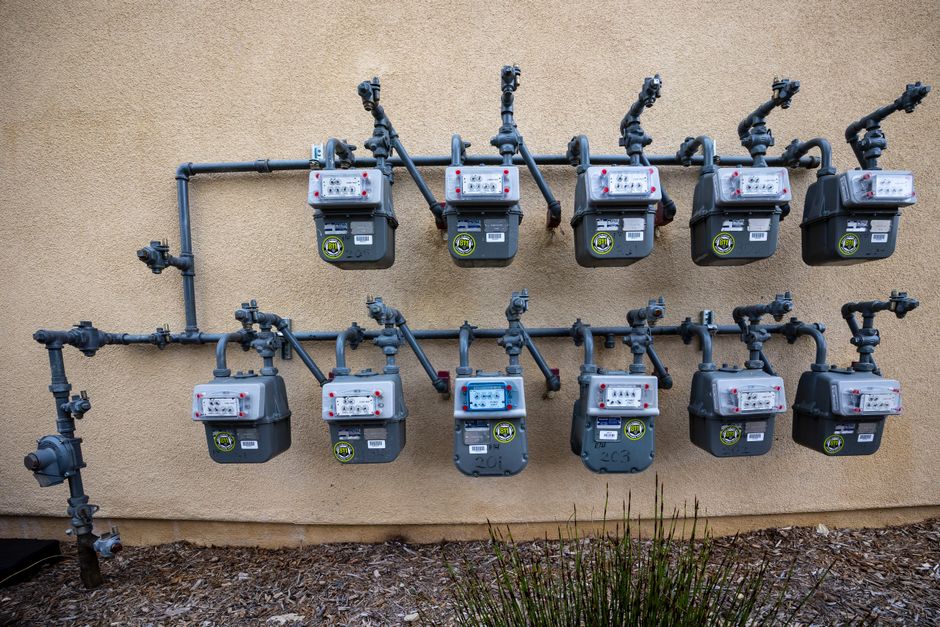
The anticipated jump reflects the 13% increase in the household energy price cap imposed by regulator Ofgem in July, a move driven by continuing turmoil in global energy markets amid the war in Iran. The conflict has sent repeated shock waves through oil and gas prices, reigniting concerns about inflation around the world and heightening uncertainty over the scale of the economic damage.
The latest snapshot is likely to underscore the challenge facing the new government under Prime Minister Andy Burnham, which must ease financial strain on households and businesses before a difficult autumn budget. Burnham used his first week in office to announce a series of “breathing space” measures, including a VAT cut designed to lower average household electricity bills by £45 a year from October, alongside a £2 cap on bus fares in England.
Thomas Pugh, chief economist at the accountancy firm RSM UK, said the energy price cap rise would add about 0.44 percentage points to headline inflation, though this would be partly offset by falling petrol and diesel prices. “The cost of living squeeze is set to return to the headlines,” he said, adding that higher inflation would put fresh pressure on household budgets and complicate the outlook for interest rates.
The Bank of England is considering raising interest rates from as early as September, with policymakers worried that persistently high inflation could become entrenched in the economy. The Bank predicts inflation will reach 3.2% before the end of the year despite the government’s mitigation measures. It kept borrowing costs unchanged last month, warning that a worst-case scenario involving further escalation in the Middle East war could drive inflation to a peak of 4.5% by the middle of 2027.
Britain’s economy has shown greater resilience than initially feared, with official figures last week revealing it continued to grow in the first half of 2026 at the fastest pace in the G7. Inflation also fell by more than expected in June, coming in at 2.6% — down from a peak of 3.8% last year — and had been on track to drop close to 2% before the outbreak of the Iran war. However, economists warn the conflict’s impact is likely to weigh more heavily in the second half of the year.
In a separate development, the water regulator Ofwat is reportedly considering plans to introduce “surge pricing” for water use during droughts, according to the Daily Telegraph. The proposal could see customers charged more for water in summer and less in winter, or face higher prices once they exceed a consumption threshold. Meanwhile, labour market figures due on Tuesday are expected to show a continued slowdown in wage growth.
Victoria Scholar, head of investment at the financial platform Interactive Investor, said inflation is expected to keep rising, peaking above 3% later this year as the UK economy grapples with elevated energy prices and the effective gridlock in the Strait of Hormuz. She said the Bank of England is likely to deliver roughly one quarter-point interest rate hike by the end of the year in an effort to temper the risk of overheating and help push inflation back toward its 2% target.