As a period of intense heat is forecast across parts of the UK this week, ultraviolet (UV) radiation levels are expected to climb in many regions. While some UV exposure is important for health – it helps the skin produce vitamin D, which supports bones, blood cells and the immune system – overexposure carries serious risks, including skin cancer.
UV radiation from the sun can damage DNA in skin cells, a key step in the development of skin cancer. It also accelerates skin ageing, contributes to wrinkles, and has been linked to eye problems such as cataracts. Professor Dorothy Bennett, from St George’s, University of London, warns that every sunburn adds to the risk. “Melanoma, the most dangerous skin cancer, is now the fifth commonest cancer in the UK,” she says.
The strength of UV radiation is measured using the UV Index (UVI), a global scale that starts at zero and can rise above 10. The higher the reading, the faster damage can occur. In the UK, summer UV levels typically reach 5–6, occasionally hitting 8 in exceptional conditions. Near the equator, readings can be far higher; Nairobi, Kenya, for example, often sees levels above 10 year-round, while Majorca, Spain, typically reaches nine in June and July.
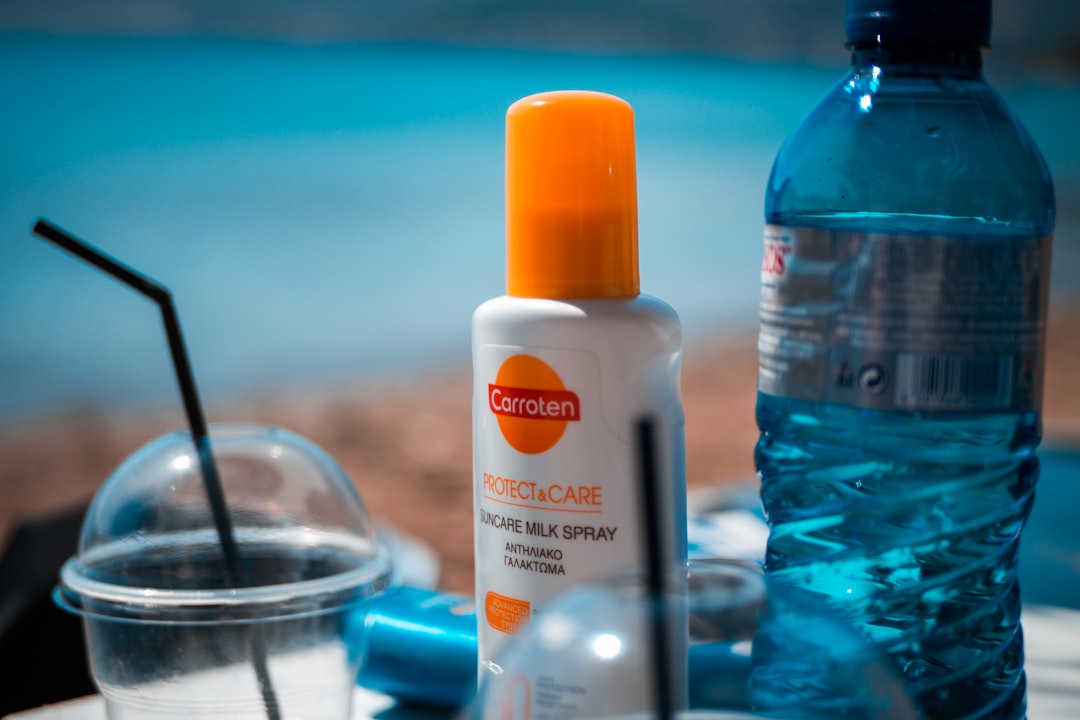
The World Health Organization advises taking some sun precautions when UK levels are medium (3–5) or high (6–7), and extra protection when they reach very high (8–10) or extremely high (11+). The NHS recommends sunscreen with an SPF of at least 30 and 4-star UVA protection, applied to all exposed skin – including the face, neck, ears and scalp if hair is thinning – about 30 minutes before going outside. Adults should aim for six to eight teaspoons to cover the whole body, and reapply every two hours or more often after swimming or sweating. Sun-seekers are also urged to wear protective clothing and sunglasses, and to stay in shade between 11:00 and 15:00 from March to October.
Experts stress that there is no safe way to tan. Dr Bav Shergill of the British Association of Dermatologists points out that a tan offers only minimal skin protection – equivalent to about SPF 4 – and recommends self-tanning products instead. He also cautions that people with darker skin are not immune: “The skin may look darker, but it doesn’t always behave that way from a protection point of view,” he says, noting he has seen South Asian and dual-heritage patients with skin cancer. Skin can burn even on cloudy or windy days, as UV penetrates thin clouds, and the risk of eye damage and immune system harm applies to all skin types.