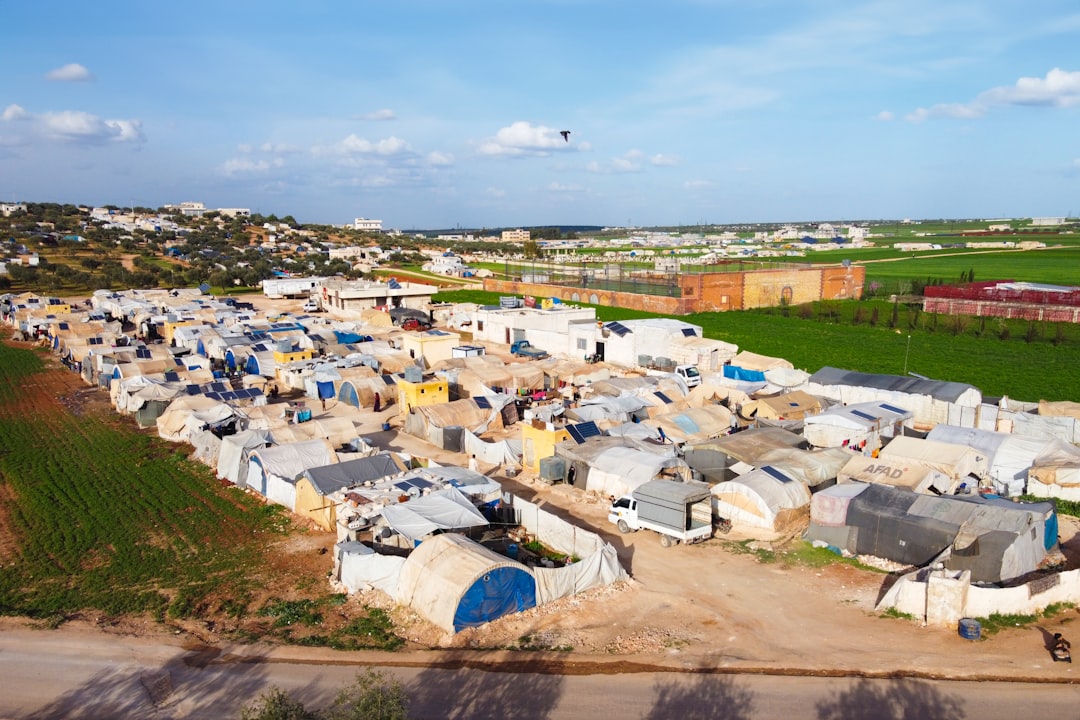
Humanitarian conditions in El Obeid, a city in Sudan’s North Kordofan province, and two adjacent camps are dire and worsening, as civilians uprooted by the conflict between the Sudanese Armed Forces and the Rapid Support Forces continue to arrive from surrounding rural areas.
The UN reports that more than 15,000 families have reached the city since mid-July, joining over 200,000 people who had arrived earlier in the year, according to government figures cited by Save the Children. Maryam, a humanitarian volunteer whose name has been changed for her safety, described the situation as very harsh and deteriorating, with the city shockingly overcrowded. Many new arrivals travel on foot with almost no possessions, suffering from food shortages and arriving deeply traumatised.
El Obeid, the provincial capital, had roughly half a million residents before the conflict began over three years ago. While many newcomers have been absorbed into the city, tens of thousands are staying in two main tented camps. Satellite analysis by the Yale Humanitarian Research Lab shows 800 new tents appeared in one camp between 4 and 25 August. Paul Byars, Sudan country director for the Danish Refugee Council, said he saw 450 arrivals in a single morning, and estimated 85% were women and children, as most men remain behind for farming.
The civil war erupted in Khartoum, about 250 miles (400km) northeast of El Obeid, on 15 April 2023, when a power struggle between the army and the RSF spiralled into open violence. Since then, roughly 11.3 million people have been displaced — more than a fifth of the population — and parts of the country, including El Obeid and its surroundings, face the risk of famine. Death toll estimates range from tens of thousands to hundreds of thousands. In October 2025, the RSF massacred more than 10,000 people in El Fasher in Darfur after an 18-month siege, and a surge of RSF drone strikes on El Obeid in June prompted UN warnings of a possible repeat.
While the number of strikes has since fallen and the armed forces recaptured a key road north to Khartoum in late July, drones still kill and injure civilians as violence rages in nearby districts. Maryam said volunteers have noticed more ‘double-tap’ strikes, where a second drone targets rescuers. Nohad Eltayeb, who monitors Sudan for the conflict tracking group Acled, said drones now account for half of all violent incidents, up from 4% at the start of the war, with the RSF relying on fewer, highly targeted strikes since supply lines were disrupted in February.
Acled data records 322 incidents of violence affecting civilians in the wider Kordofan region so far this year, compared with 388 for all of 2025. The RSF was responsible for half, but the SAF has also killed and injured civilians; on 10 August, army forces and an allied militia killed five civilians and injured 10 northeast of El Obeid, according to Emergency Lawyers.
Food prices have spiralled as delivery trucks face threats. In July, a litre of groundnut oil in north Kordofan cost 17,000 Sudanese pounds (about £21), up from 13,000 in June and 7,700 a year earlier, according to WFP data; wheat flour and meat prices have more than doubled. Water and power infrastructure in El Obeid has yet to fully recover from June drone strikes. Esperanza Santos, emergency coordinator for Médecins Sans Frontières, said the city’s main water source was severely damaged and unrepaired, leaving hospitals and camps dependent on inadequate water trucking. Sanitation is very bad, with more than 100 people per latrine and widespread open defecation.
Despite the hardship, Maryam said local volunteers remain determined: “The situation is deteriorating, but we are trying to stay together, to stay strong in the face of the drone attacks and the influx of IDPs … We are living with this and we hope things will become better.”