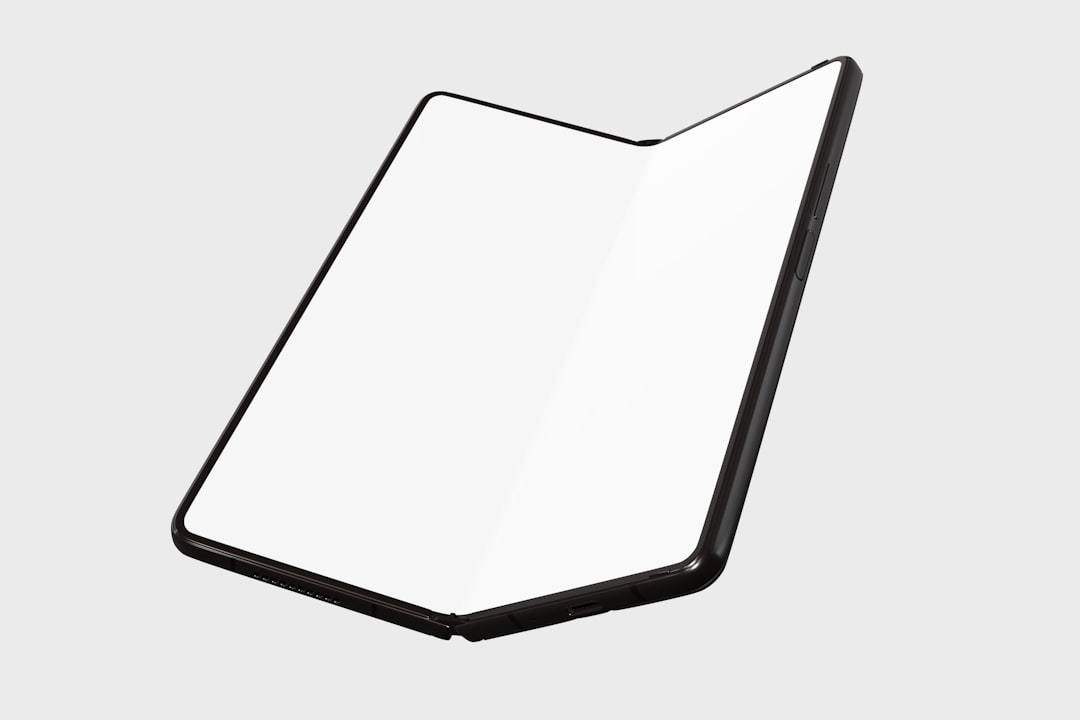
Samsung’s latest book-style foldable, the Galaxy Z Fold 8 Ultra, arrives as the company’s most ambitious folding handset to date, and the first to bear the “Ultra” name. Building on the Z Fold 7, the new model wraps a significantly larger battery and upgraded cameras into the same slim, lightweight body that fans of the series have come to expect. It carries a premium price tag of £1,899 (€2,199/$2,099.99/A$2,999), positioning it above the new passport-shaped Z Fold 8 as Samsung’s flagship folder.
Physically, the Ultra stays close to its predecessor. Weighing 215g and measuring just 8.9mm thick when closed, it feels similar to a large conventional smartphone. The tall, exceptionally bright cover screen handles everyday tasks such as messaging, calls, and navigation with ease. Opening the device reveals an 8-inch OLED tablet display that is noticeably sharper and brighter than earlier generations, helped by a new anti-reflective coating that improves visibility in direct sunlight. Reading and browsing are particularly enjoyable, while video playback suffers from sizeable black bars at the top and bottom. The stereo speakers, when held in landscape, deliver solid sound for headphone-free viewing.
The folding crease is less pronounced than before but remains detectable when the screen is off or when a finger sweeps across it. The softer display material also attracts fingerprints more readily than a standard hardened glass screen and requires extra care.
Under the hood, two meaningful upgrades stand out. The Snapdragon 8 Elite Gen 5 for Galaxy chip provides ample power for multitasking and demanding applications, while a battery roughly 13.6% larger than last year’s model delivers around two days of use with moderate screen time. In testing, that included more than four hours of screen usage per day across a mix of Wi-Fi and 5G for browsing, messaging, note-taking, work, and photography, putting it on par with the longest-lasting foldables available. Heavier gaming will drain the cell faster, but many users will only need to charge every other day.
The Ultra runs One UI 9, built on Android 17, the same software found on the standard Fold 8. It remains one of the most polished experiences for folding screens, allowing up to three apps in a split-screen grid plus additional floating windows. Flex mode turns the partially folded device into a mini laptop, pushing apps or videos to the top half of the screen. The Now Bar places live scores, music controls, and ongoing tasks on the lock screen or status bar, and new AI tools include Google’s Gemini and a proactive suggestion feature called Now Nudge, expanded for this version. Software and security updates are promised until 31 July 2033.
Photography is led by a 200MP main rear camera that remains the standout performer, capturing excellent shots across varied lighting. A new 50MP ultra-wide lens is a significant improvement, delivering brighter, more detailed images in low light and strong close-up macro shots. The 10MP 3x telephoto is the weakest link, capable of decent images with some effort but falling short of modern rivals, with digital zoom degrading noticeably beyond 10x. Video recording is strong, including the impressive horizontal lock stabilisation feature.
Samsung rates the battery for at least 1,200 full charge cycles while retaining 80% capacity, and the phone is generally repairable, with screen repairs costing around £600. The device is made from 14.4% recycled materials by weight, and the company offers trade-in and recycling programmes.
The Z Fold 8 Ultra starts at £1,899, compared with £1,699 for the Z Fold 8, £1,279 for the S26 Ultra, £1,999.99 for the Honor Magic V6, and £1,299 for the Google Pixel 10 Pro Fold. It is, in short, the best folding phone money can buy.