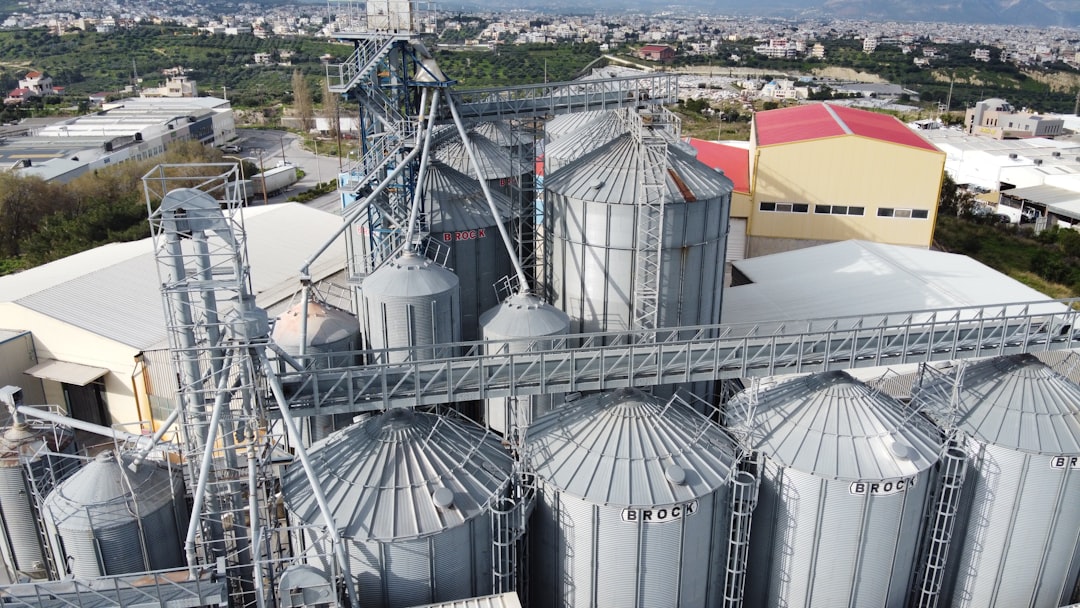
A large-scale Ukrainian drone and missile barrage struck the Russian Black Sea port of Novorossiysk overnight, damaging two major grain export terminals and targeting what is now Russia’s principal naval hub on the Black Sea, according to local and company reports.
Officials in the region said three people were killed, including an eight-year-old child, and 24 others were wounded in the attack. Ukrainian President Volodymyr Zelensky described the operation as “unique,” saying it involved rockets, combat jets and naval drones aimed at the Russian base, though he did not explicitly mention the grain facilities. Ukraine’s military later claimed that four Russian warships, including two frigates, had been struck. Moscow has not commented on the naval claims.
The Black Sea Fleet was forced to relocate much of its strength to Novorossiysk, one of Russia’s largest ports, after its previous headquarters in Sevastopol on the occupied Crimean peninsula proved too vulnerable to repeated Ukrainian attacks.
At least one major grain trading company confirmed to the Russian agency TASS that its terminal had been hit, while another similarly confirmed the damage to Reuters and the outlet RBK. In response, Russia’s agriculture ministry said on Wednesday it was working to redirect cargo flows toward Baltic and Caspian Sea ports as well as overland routes, citing “current logistical constraints” without directly referring to the Ukrainian strike.
The attack prompted an emergency declaration in Novorossiysk after drone strikes damaged pipelines and cut the city’s water supply. Repeated explosions echoed through the night as air defences engaged incoming aerial objects. The regional governor, Veniamin Kondratyev, reported that a man was killed by drone debris and that several hundred drones had struck locations across the wider Krasnodar region, damaging dozens of buildings including homes.
Separately, Russian aerial strikes on Ukraine between Tuesday and Wednesday killed at least 11 civilians, most of them in the southern city of Zaporizhzhia, which was hit by ballistic missiles and glide bombs.
Speaking to CNN, Zelensky said Ukraine would need about a tenth of the United States’ current interceptor missile stockpile to block all Russian ballistic missile attacks, and roughly five percent of that inventory to get through the winter. He also said Ukraine is facing a growing disparity in missile capability compared with Russia’s monthly production.
The escalation has deepened disruptions to grain trade in the Black Sea region. Ukraine’s Odesa port and cargo vessels have come under repeated deadly Russian strikes, and Ukrainian agricultural group UCAB reported a 23% drop in exports in July. Ukraine, in turn, has become increasingly effective at long-range strikes on Russian vessels, hampering Russian grain shipments.
Russia is the world’s largest wheat exporter, but a Moscow-based analytics firm estimated that August exports could fall by more than half compared with the average for that month over the past five years because of the turmoil in the Black and Azov Seas.
Russian foreign ministry spokeswoman Maria Zakharova accused Ukraine of hitting Russian grain and agricultural infrastructure, asserting that this had pushed up global food prices and worsened shortages. She simultaneously said Moscow would keep striking facilities Ukraine uses to disrupt navigation until threats to the Azov and Black Seas are eliminated. The two countries together supply a significant share of the world’s grain, especially to North Africa, the Middle East and parts of Asia, and concerns about food security have persisted since Russia’s full-scale invasion began in 2022. A UN-brokered Black Sea Grain Initiative that briefly allowed Ukrainian exports collapsed after Moscow resumed attacks on vessels using the corridor to Odesa.