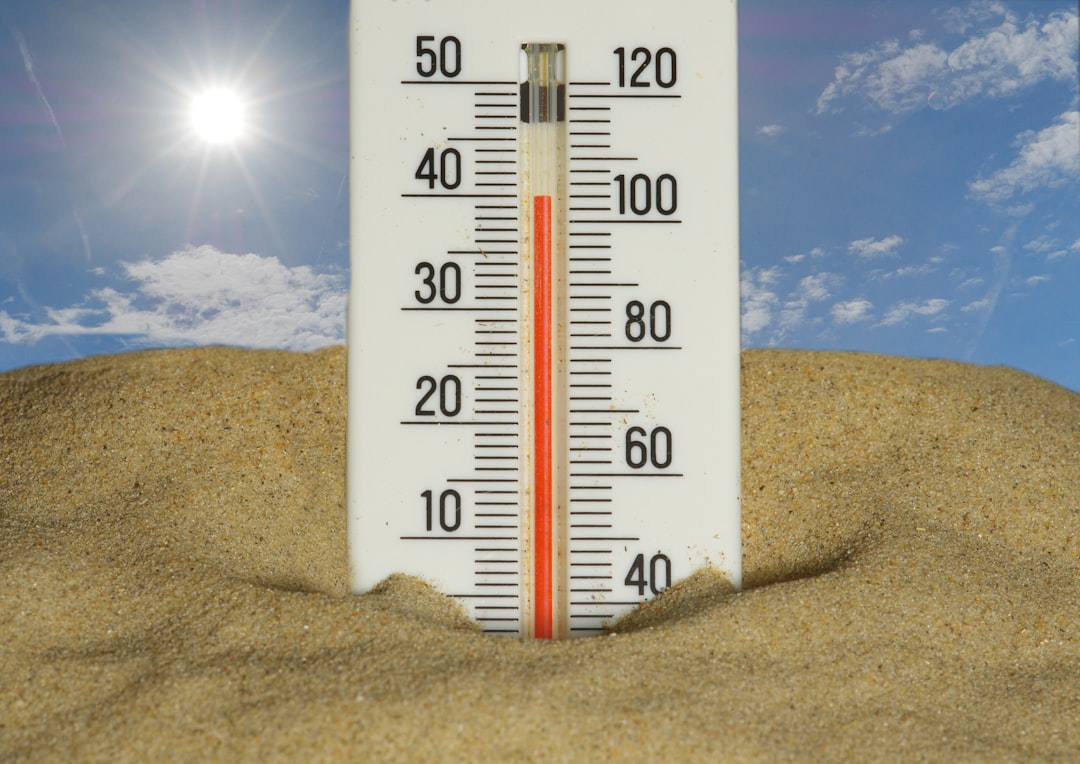
High temperatures can take a toll on anyone, but certain groups face a significantly higher risk of serious harm. Health authorities say older adults, babies, and young children should take extra care during heatwaves.
When the body overheats, blood vessels near the skin widen, which lowers blood pressure and forces the heart to pump harder. This strain can bring on mild problems such as an itchy heat rash or swollen feet, while sweating depletes both fluids and salt, disrupting the body’s delicate balance. The combination of lower blood pressure and fluid loss can lead to heat exhaustion, with symptoms including dizziness, nausea, fainting, confusion, muscle cramps, headaches, heavy sweating, and tiredness. If blood pressure falls too far, the risk of heart attacks rises.
The body constantly works to maintain a core temperature of about 37C, the level at which human systems have evolved to function. In extreme heat, it opens more blood vessels near the skin to release warmth and begins sweating; as sweat evaporates, it greatly increases heat loss from the skin.
To stay safe, the UK Health Security Agency advises closing curtains on sun-facing rooms, drinking plenty of fluids, limiting alcohol, avoiding the sun between 11:00 and 15:00, using high-SPF sunscreen, wearing a wide-brimmed hat, skipping strenuous exercise during the hottest hours, and carrying water when travelling. It also warns that nobody — especially babies, young children, or animals — should ever be left in a locked vehicle.
If someone appears to have heat exhaustion, the NHS recommends moving them to a cool place, having them lie down with feet slightly raised, giving water or rehydration drinks, and cooling their skin with water and fans or cold packs. If they recover within half an hour, the condition is usually not serious. Failure to improve within 30 minutes signals possible heatstroke, a medical emergency requiring immediate call to emergency services. A person with heatstroke may stop sweating despite being very hot, develop a temperature above 40C, and experience seizures or loss of consciousness.
Those most vulnerable include older people, individuals with long-term conditions like heart disease, people with diabetes, young children, those with limited mobility, people with dementia who may not recognise the heat, homeless individuals, and residents of top-floor flats. Certain medications also raise risk: diuretics increase water loss, antihypertensives can cause dangerous blood pressure drops when combined with dilated vessels, some epilepsy and Parkinson’s drugs block sweating, and drugs like lithium or statins can become more concentrated during dehydration. Health officials stress that people should continue taking their medication as prescribed while focusing on staying cool and hydrated.
Heat can be deadly. In 2022, when England recorded its highest temperature ever at 40.3C, an estimated 2,985 excess deaths were linked to the heat. Estimated heat-associated deaths were around 1,311 in summer 2024 and 1,504 in summer 2025. Most are caused by heart attacks and strokes triggered by the strain of maintaining body temperature. Death rates typically begin to climb once the thermometer passes 25C–26C, with evidence suggesting that heat in spring or early summer is more dangerous than peak summer, and that deaths often occur within the first 24 hours of a heatwave.