As temperatures climb past 30°C (86°F) across parts of the UK this week, the prospect of cooking a hot meal becomes far less appealing. The heat often dulls appetite as well, which leaves many people wondering whether they should adjust what they eat.
According to Aisling Daly, senior lecturer in nutrition at Oxford Brookes University, there is no reason to increase protein consumption during a heatwave. But preparing common protein sources like meat, chicken and fish can make a kitchen uncomfortably warm. An air fryer offers a cooler alternative, using less than half the energy of a traditional oven, while a slow cooker, though it runs longer, tends to be more efficient and radiates even less heat.
Digesting protein itself raises body temperature because the stomach, intestines and liver need energy to break down these molecules, so a heavy steak could leave you feeling hotter. Instead, Daly recommends bean salads, eggs, pre-cooked meats, and Greek yogurt, which can also be frozen. Lentils, nuts, tofu, milk, and lighter fish such as tuna, salmon or prawns are other options. A blended smoothie with fruit, vegetables, yogurt and peanut butter can serve as a balanced meal without heating up the kitchen.
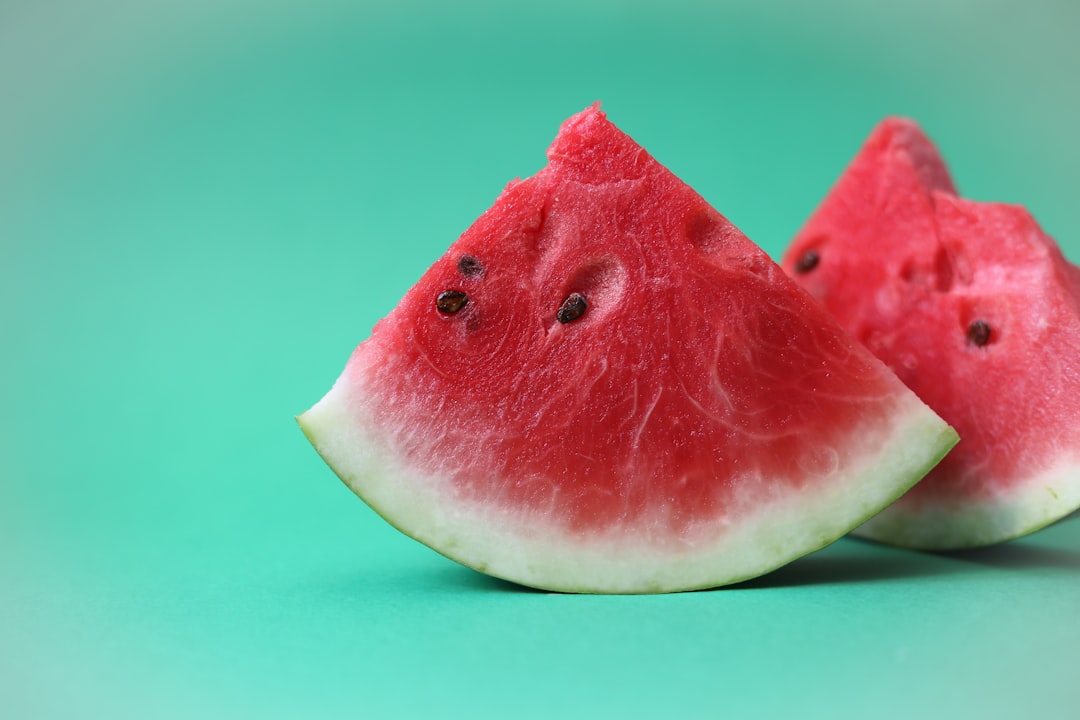
Staying hydrated is just as important. The NHS generally suggests six to eight glasses of fluid a day, though needs vary by age, body size, activity levels and health, notes Charlotte Mills, a food and nutrition scientist at the University of Reading. Eating foods with a high water content also helps: cucumber, tomatoes, lettuce, celery, watermelon and strawberries are more than 90% water, while apples, carrots, oranges, grapes and pineapple contain between 80% and 89%. Monitoring urine colour is a simple way to check hydration—pale yellow is ideal, with darker shades signalling that more fluid is needed.
Hot drinks may seem counterintuitive, but they can be beneficial. Research suggests the body sweats more quickly after a warm beverage to release excess heat, so the key is simply staying hydrated regardless of drink temperature. Caffeine in moderation, such as one or two coffees a day, is unlikely to dehydrate, though five or six cups can increase urination. Alcohol is also dehydrating and should be limited.
Some people may also find it easier to adopt a southern European eating pattern: an early breakfast, a lunchtime rest during the hottest hours, and a later evening meal.