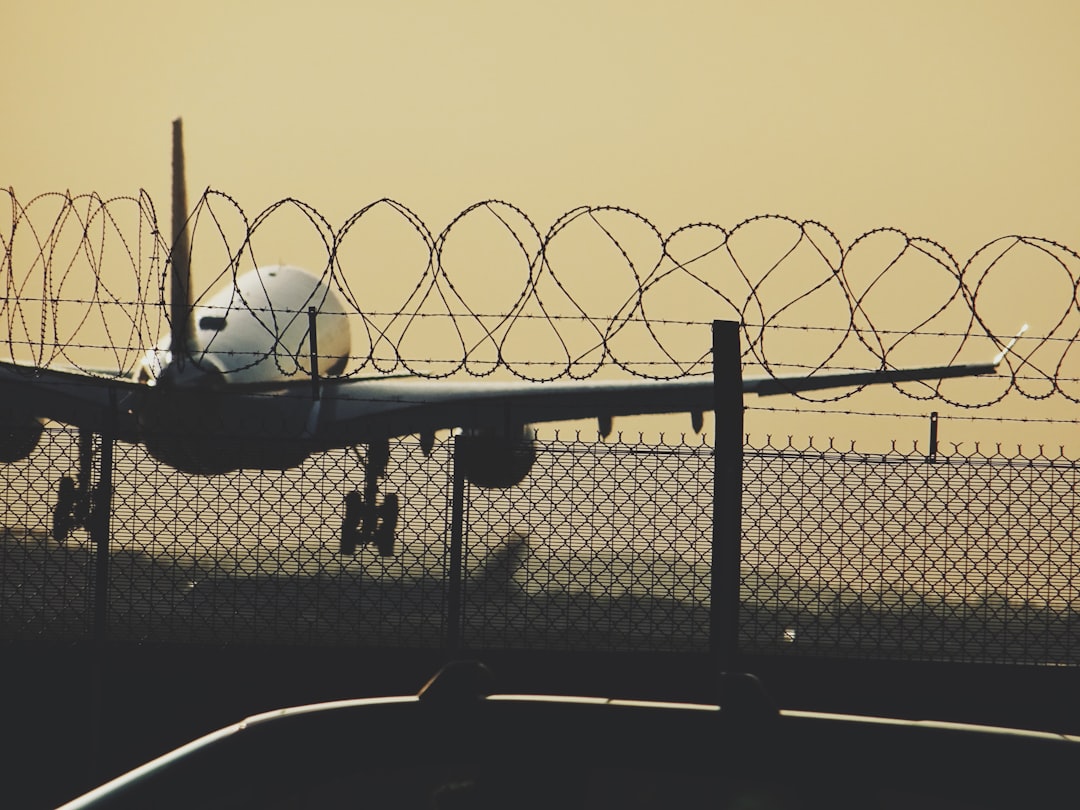
Germany has formally blamed Russia for an attempted drone strike at Leipzig/Halle Airport in early August, describing the incident as part of a broader pattern of hybrid operations across Europe.
Interior Minister Alexander Dobrindt told reporters in Berlin on Tuesday that police work, forensic analysis of the device, and intelligence findings together substantiate Russian responsibility for the failed attack. A drone carrying explosives was found on the evening of August 4 in a secure area of the airport, parked among Ukrainian cargo planes. The detonation mechanism reportedly malfunctioned, and investigators suspect a second drone may have struck a nearby DHL cargo aircraft. German media later reported that a third explosive-laden drone had been discovered at the airport as well.
“We do not view Leipzig as an isolated incident,” Dobrindt said, adding that Germany should expect further hybrid attacks. Foreign Minister Johann Wadephul, speaking alongside Dobrindt, said the drone’s configuration, components, and detonation system matched equipment used in other Russian operations against Ukraine. Federal prosecutors have described the episode as a serious assault on Germany’s transport and logistics infrastructure.
In response, Berlin announced a series of measures, including the closure of Russia’s consulate in Bonn effective September 18, the termination of a contract allowing the Russian House cultural center in Berlin to operate, stricter entry rules for Russian nationals, and increased pressure on Moscow’s so-called shadow fleet of aging tankers used to bypass sanctions. Wadephul also said Russia’s ambassador to Germany, Sergei Nechayev, had been summoned to the foreign ministry.
Moscow reacted sharply, with foreign ministry spokesperson Maria Zakharova vowing a “mirror-image” response and accusing Berlin of “sponsoring terrorism” through its military and financial support for Ukraine. Russia has repeatedly denied involvement in such incidents.
The affair drew swift international reactions. NATO Secretary General Mark Rutte said the alliance stood in full solidarity with Germany, while European Commission President Ursula von der Leyen said the EU was preparing additional sanctions against Russia and pledged to stand by Ukraine “for as long as it takes.” Polish Prime Minister Donald Tusk said Russia was escalating tensions across the region, and British Prime Minister Andy Burnham dismissed Moscow’s efforts to undermine Western unity as futile.
The announcement comes at a politically delicate moment for Chancellor Friedrich Merz’s government. A looming state election in Saxony-Anhalt could hand the far-right Alternative for Germany party its first state-level role in government; the party opposes continued arms supplies to Ukraine and favors reopening ties with Moscow. In a separate development, police in the eastern state of Brandenburg said they were investigating the discovery of improvised explosive and incendiary devices at a power substation, where a damaged power line caused a temporary outage.