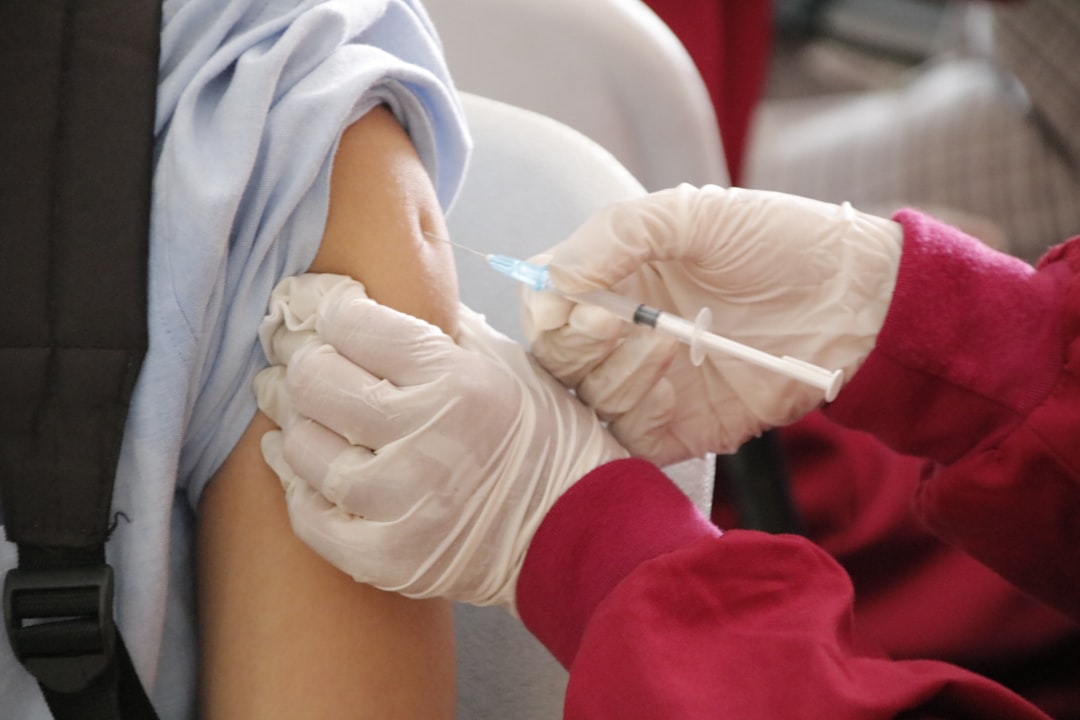
Health authorities in England are launching a vaccination drive offering free meningitis B jabs to roughly one million young people, following an unusually large and fast-spreading outbreak in Kent earlier this year. The campaign comes after the Kent cluster, which was described as unprecedented, involved 29 confirmed or suspected cases and two deaths over a short period. So far, nearly 90,000 doses have been administered, with around 135,000 more appointments already scheduled for the coming weeks.
The vaccine protects against meningitis B (MenB), the strain responsible for the Kent outbreak. The shot does not contain live bacteria and cannot cause the disease. Common side effects include swelling, redness or tenderness at the injection site, as well as mild fever, nausea, headache or muscle aches, which typically clear within a day or two. More serious reactions are rare.
Eligibility covers 17- and 18-year-olds in sixth form, as well as students under 25 who are starting a university course or a residential further education college for the first time this autumn. Those born on or after 21 July 2001 qualify for a walk-in appointment at participating pharmacies across England, without needing to be registered with a GP. International students, and students from Scotland, Wales, Northern Ireland, the Channel Islands or the Isle of Man who will study in England, are also eligible, as are those travelling abroad to study. The vaccination is given as two doses at least 28 days apart, with both doses needed for full protection.
First-year university students face a risk of meningococcal infection about seven times higher than that of similar-aged young people who do not attend university, according to NHS England. The bacteria spread through close contact, such as kissing, sharing vapes or drinks, or living in crowded accommodation — conditions common among new students.
MenB infection can lead to life-threatening complications, including inflammation of the brain lining (meningitis) and blood poisoning (sepsis). It can also cause permanent disabilities such as amputations, hearing loss and brain damage, and can be fatal. Health officials stress that vaccination can save lives.
The MenB vaccine has been part of the routine childhood immunisation schedule for babies born on or after 1 July 2015, meaning most teenagers and young adults over 11 never received it. While the vaccine does not necessarily prevent person-to-person transmission or provide lifelong protection, UK vaccine experts have recommended the government consider routinely offering it to teenagers around age 15, with ministers in each nation deciding whether to adopt that policy.
Elsewhere in the UK, all nations plan to offer the vaccine to most pupils completing Year 13 or S6 in summer 2026, regardless of their education plans, as well as to people aged 18-25 starting university or residential further education for the first time in autumn 2026. In Wales, those aged 17-18 will receive a letter invitation, while 18-25-year-olds entering higher education will need to contact their health board later in July.