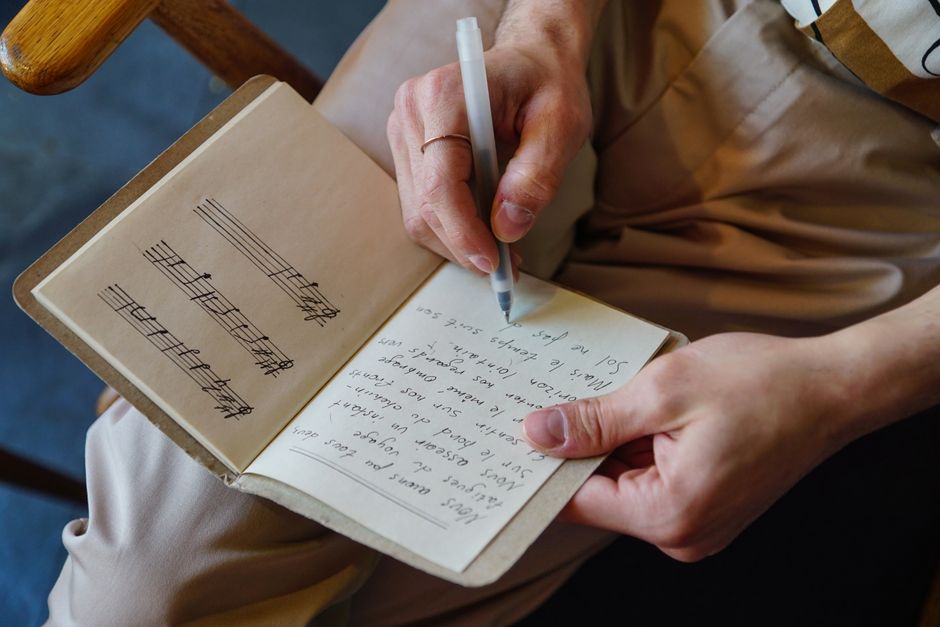
For more than three decades, Mary Austin kept four silver trunks locked in her attic, packed in the mid-1980s and untouched since. In 2022, she finally opened one and found herself staring at handwritten lyrics written by Freddie Mercury, including Don’t Stop Me Now, Killer Queen, We Are the Champions and Bohemian Rhapsody. The memory was so intense that she shut the case at once. “I couldn’t look at the lyrics,” she later said. “I felt as I did when I originally packed them — that they were his personal belongings and I was being offered an opportunity to delve into them, and I couldn’t do that.” She eventually asked her two sons to sort through the items.
The lyrics are part of a collection that Austin inherited, along with Mercury’s house and half his estate, which reports have said grew from an estimated £20-30m to around £150m. Austin denies speculation that her share rose to 75% after the singer’s parents died. Some Queen fans have accused her of hoarding his treasures and profiting from the band’s frontman without working, and of denying the public and his family basic answers, such as where his ashes were scattered. Meanwhile, she has quietly devoted herself to preserving what he left behind.
Austin, who met Mercury in 1970 and remained the person he trusted most, recently sat for an interview at the Guardian’s offices in London. Elegantly dressed and walking with a stick, she was accompanied by her younger son, Jamie, who was born a few months after Mercury’s death in 1991. She is now publishing “Freddie Mercury: A Life in Lyrics,” a book combining the original handwritten lyrics, photographs and her personal commentary on the connection between Mercury’s words and his life.
The pair met when Mercury was selling clothes and textiles from a stall in Kensington Market in London after finishing a graphic design degree. Austin, a friend of Brian May, was at May’s student house when the singer and other future Queen members were debating band names. May suggested Build Your Own Boat; Mercury proposed Queen. Austin told them she preferred the former, but admitted she did not actually like it. “Brian was my friend,” she said. “I’d just met Freddie.” Her first impression was that he seemed too confident. She recalled sitting on a sofa while he stood by the fireplace, full of bravado, and she picked up a magazine because she felt out of place.
Within months, they became lovers and decided to share a flat, splitting the rent. They bonded over difficult childhoods. Mercury was born in Zanzibar to Parsi Indian parents and was sent to a British boarding school near Mumbai at the age of seven; in the next seven years he saw his parents only once. Austin grew up with two deaf parents who struggled financially, lost her mother at 15 and helped raise her younger sisters. “Freddie could see the sadness in me that he felt within himself, and vice versa,” she said.
Mercury, she added, mixed real confidence with bravado to protect what he truly felt. He was a brown pop star with a strong English accent, and she believes he passed himself off as white English, deliberately staying out of the sun to keep his skin from darkening. On the street, police would ask where he was from, and when he answered Bombay, he was arrested because they assumed he was joking. Mercury’s parents spoke Gujarati at home, but he always answered in English. Austin said he “hid that well” and that with him “you just saw what he wanted you to see.”
Even months before her interview, Austin found the act of going through his lyrics overwhelming, calling the experience “still too painful.” The book, she said, is not a tell-all, but a reflection on the songs and the intimate bond that shaped them.