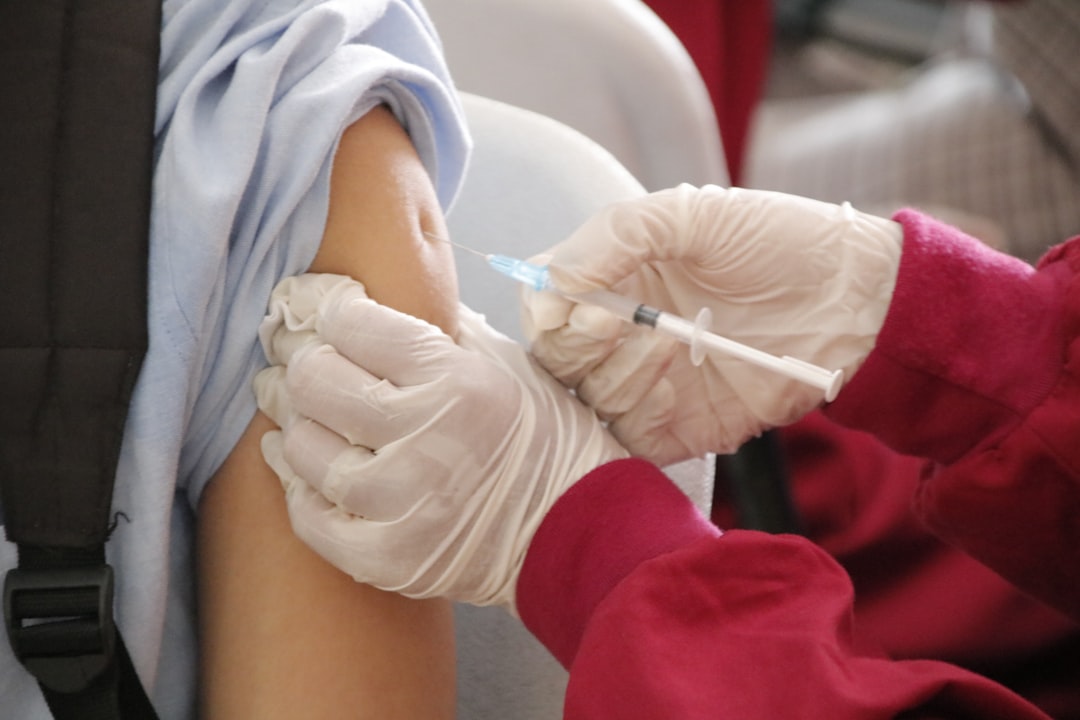
The annual flu vaccination campaign has started in the UK, with schoolchildren and pregnant women receiving the first doses this week. This year’s vaccine has been updated to better protect against a mutated strain that drove last winter’s unusually early flu season, known as subclade K, or ‘Super-K’. Health officials are prioritising schoolchildren because they tend to catch and spread the virus easily, meaning vaccinating them can also shield younger siblings, babies and grandparents.
The NHS is offering free flu jabs from October to other eligible groups, including everyone aged 65 and over, people with certain long-term health conditions, care home residents, main carers, and those who live with someone who has a weakened immune system. People who do not qualify for a free vaccine can still pay around £10 to £20 at High Street pharmacies, GP surgeries and schools.
Last winter’s flu season arrived more than a month earlier than normal and was driven by the Super-K variant. Experts stress that ‘Super-K’ is not a medical term and does not mean the virus is harder to treat; rather, it indicates that many people had not yet built up immunity against it. Flu vaccines are adjusted every year to match the strains most likely to circulate, as influenza viruses constantly mutate and specialists must predict those changes in advance.
It remains unclear how severe this year’s flu season will be, or when it will peak. Officials often look to southern hemisphere countries, such as Australia and New Zealand, for clues. Australia has reported fewer cases than last year, while New Zealand has recorded high numbers.
Dr Amanda Doyle of NHS England urged caution, noting that last year’s early flu season and new variant had placed enormous strain on urgent and emergency care services. “With the NHS experiencing its busiest summer on record, staff have started preparing for this winter earlier than ever,” she said, adding that everyone offered the vaccine should come forward.
The vaccine is available as a nasal spray for children from age two upwards, while adults receive an injection; a single dose is sufficient for winter protection. In addition, more adults are being invited to receive a vaccine against RSV (Respiratory Syncytial Virus), which attacks the lungs, including those turning 65 and individuals with pre-existing lung disease.