Fairphone has refreshed its flagship Android handset with a modest performance upgrade and more memory, while sticking to the modular, home-repairable design and ethical sourcing that define the Dutch cooperative. The new Fairphone 6+ is also the company’s first device to be sold directly in the United States, expanding beyond its traditional European market.
In terms of looks and feel, the 6+ is nearly identical to its predecessor: the same plastic body, 120Hz OLED display and fingerprint reader embedded in the power button. The biggest changes are inside — a newer Snapdragon 7s Gen 4 chip and an extra 4GB of RAM, bringing the total to 12GB. Benchmarks show the new processor is roughly 6 to 10 percent faster, which places the phone firmly in the mid-range tier, comparable to other devices using the same silicon. It handles everyday tasks and light gaming smoothly, but it remains well behind the flagship chips found in the latest Apple, Samsung and Google phones.
Battery life is similar to the previous model, lasting around a day and a half with roughly five hours of active screen time across 5G and Wi-Fi for messaging, note-taking, browsing and photos. Most users will still want to charge nightly, and a full charge takes about 80 minutes using a 30W adaptor, reaching 50 percent in under half an hour. The dual-camera setup also carries over — a 50-megapixel main sensor and a 13MP ultra-wide — though software refinements since last year’s debut have smoothed out some inconsistencies. Photos are solid with a bit of effort, 2x zoom is usable, and low-light performance has been helped by a new Super Night AI mode.
On the software side, the phone ships with last year’s Android 16 rather than the newest Android 17, but Fairphone commits to updates until at least 2033. The interface stays clean and uncluttered, with only a couple of extra apps, and buyers can instead choose a version running /e/OS, an open-source Android build without Google services. A side switch activates Fairphone’s ‘Moments’ minimalist mode for a less distracting experience.
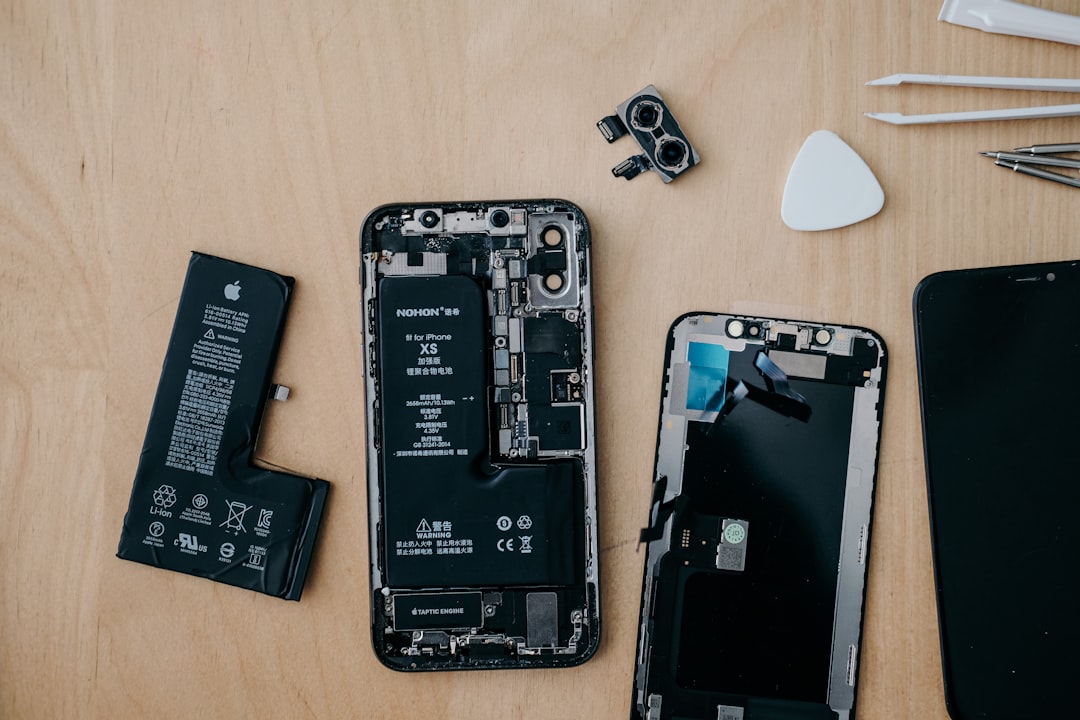
Sustainability remains the core selling point. The 6+ is made with 51 percent recycled or ethically sourced materials, and the battery is rated to retain at least 80 percent of its original capacity over 1,000 full charge cycles. All 12 modular components can be replaced at home with the single screwdriver included in the box — replacement batteries cost £34.20, screens £77 and the main camera £59.88. iFixit gave the design a perfect 10 out of 10 for repairability, and the phone carries a five-year warranty.
The Fairphone 6+ is priced at £569 (€649/$649.99) in its standard Android configuration, or £598.63 (€699.99/$699.99) with /e/OS. That puts it in direct competition with the £499 Google Pixel 10a, the £599 Apple iPhone 17e and the £519 Nothing Phone 4a Pro. It offers a compelling package for those who prioritise repairability and ethical manufacturing, but the modest camera, average battery life and mid-range performance mean it is not for everyone — buyers seeking a top-tier smartphone experience should look to the latest flagships from Apple, Google or Samsung.