Extreme heat across Europe this summer has disrupted economic activity, with workers struggling in soaring temperatures, wildfires damaging land, and critical infrastructure forced to shut down. Economists at the Dutch bank Triodos estimate the heatwaves could wipe €180bn off the European Union’s GDP, while the UK green thinktank Verdant reported the heat had already cost the British economy £4.4bn by the end of July. The figures underline the broad financial toll of extreme weather on major economies in the region.
France appears among the hardest hit. More than two-thirds of the country’s electricity comes from nuclear power, but when river temperatures rise too high, plants can no longer discharge heat into the waterways and must halt operations. As temperatures spiked again, up to 15% of France’s nuclear capacity was projected to be offline. Triodos economists expect the heat to knock 1.4 percentage points off French GDP, enough to push the economy into contraction. That would worsen the country’s fiscal strains, with Paris already borrowing at its highest interest rate in 15 years amid political debate over taxes and spending.
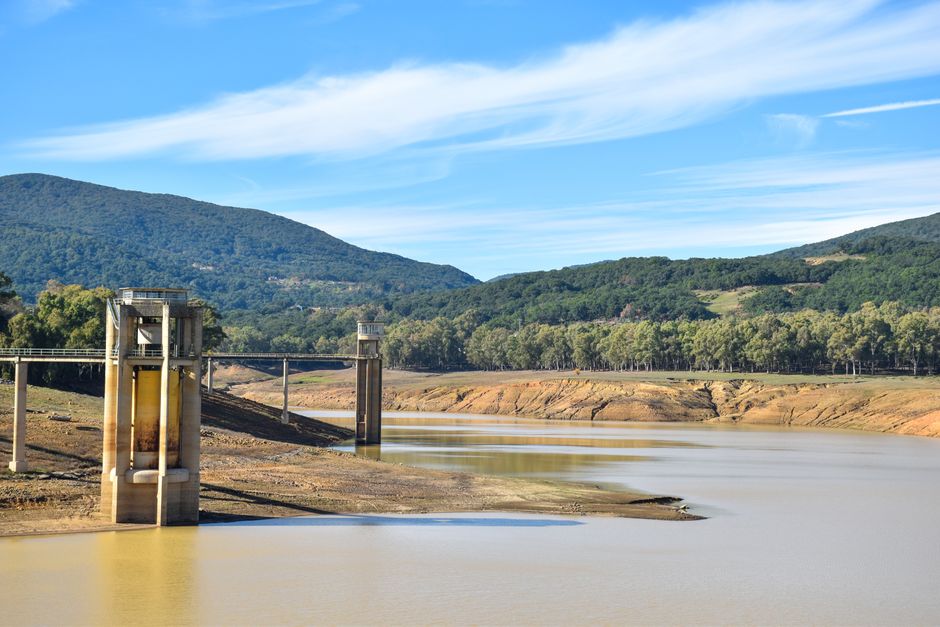
Germany faces a different problem: extremely low water levels in the Rhine and Danube rivers. The Rhine is a vital freight corridor, especially for coal, crude oil, gas, and refined products that sit at the start of production chains, according to analysts at Oxford Economics. Near the town of Kaub, water levels have fallen far below critical thresholds, forcing barges to reduce their loads and nearly halting ship traffic. Wolfgang Grosse Entrup, head of the German chemical industry association VCI, said alarm bells were ringing loudly as the low water increasingly pushed logistics and supply chains to their limits. The new pressures come as many German industrial sectors already struggle with cheap competition from China. Still, Triodos expects the impact on German GDP to be smaller than in France, at less than a percentage point.
Spain has suffered the most from wildfires this year, with almost 275,000 hectares damaged, according to the EU’s Copernicus monitoring system. Surprisingly, Oxford Economics finds the economic impact is likely to be relatively minor. Credit card data from affected regions shows no clear disruption in spending by non-residents, suggesting tourism was barely affected. Resident spending dipped during the fires due to evacuations but returned to near trend within days. Nevertheless, with an estimated 47 excessively hot days by summer’s end, Spain’s workers and companies will still feel the heat; Triodos expects it to shave almost one percentage point off the 2.8% growth forecast from the European Commission.
Italy looks particularly exposed because of its heavy reliance on tourism and agriculture. The agricultural association Coldiretti says climate impacts have cost producers of tomatoes, olive oil, and wine about €20bn over the past four years, equal to 12.5% of the sector’s output. With more hotel beds than any other EU country, Italy could also suffer if repeated heatwaves drive tourists toward cooler destinations. Triodos predicts Italy will be hit second-hardest among the countries studied, with 1.1 percentage points removed from GDP. Over time, these effects could compound the country’s existing struggles with an ageing population and high public debt. Research from the Italy-based climate group CMCC suggested that exposure to heatwaves and drought could eventually push up the interest rate the government pays to borrow, as investors worry about public finances.
Poland, by contrast, is an outlier, having experienced only a few more hot days than a normal year. It has not been fully insulated: low rainfall has depleted rivers, forcing some power plants offline due to the low level of the Vistula, and the electricity grid operator had to invoke emergency powers earlier this month during what Prime Minister Donald Tusk called a very difficult period. Knock-on effects from transport and energy challenges in other EU countries have also reached Poland, but the Triodos analysis shows the country posting solid growth of 2.9%, little changed from the European Commission’s spring forecast.