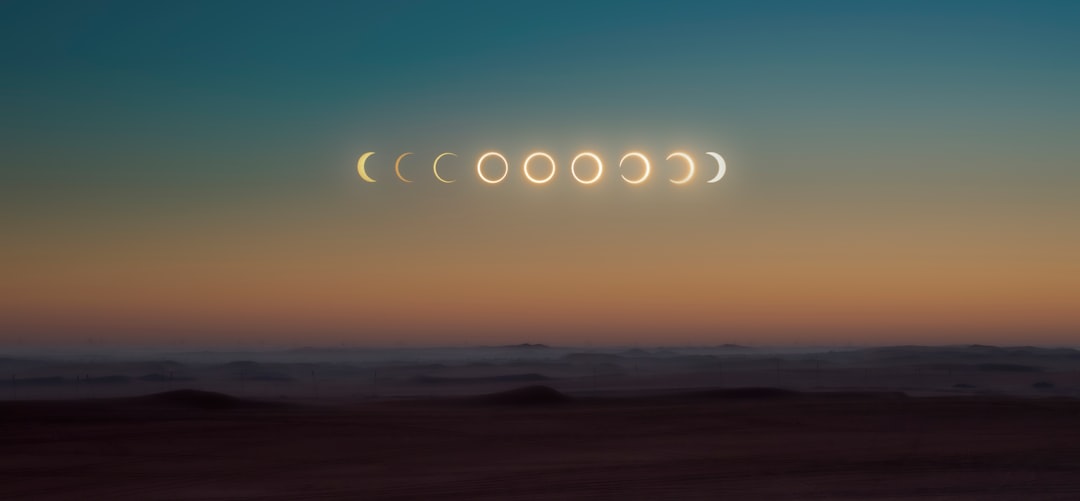
Eye care professionals are urging members of the public to remain vigilant for potential vision damage following Wednesday’s partial solar eclipse. Looking directly at the sun, even when it is mostly covered by the moon, can cause serious harm to the retina, the light-sensitive tissue at the back of the eye. Symptoms to watch for include blurred vision, a dark or central blind spot, and unusual sensitivity to light.
The concern is not hypothetical. After the last total solar eclipse visible from the UK in 1999, some 70 people were left with lasting sight problems. According to experts, many of those affected had watched the event for less than a minute without realizing the danger. The condition, known as solar retinopathy, occurs because intense sunlight and ultraviolet radiation damage the cells responsible for sharp central vision.
One of the challenges is that the retina has no pain receptors, so damage can occur painlessly and without immediate notice. Symptoms may only emerge several hours later. Normally, the sun’s brightness triggers a reflex to look away, but during an eclipse, the dimmer light may suppress that instinct, leaving the eyes exposed. Ahead of this week’s eclipse, specialists stressed that ordinary sunglasses are not sufficient protection; only specially designed solar eclipse glasses should be used.
Alexander Ionides, a consultant eye surgeon at Moorfields Eye Hospital in London, outlined what patients might experience. He described a grey, yellow, or dark spot appearing in the center of the visual field, affecting whatever the person is looking at, whether a face, a page, or a clock. He noted that the condition is painless and can develop gradually. Additional symptoms that may appear include eye pain, redness, a gritty sensation, sudden changes in vision, and increased light sensitivity.
Ionides advised anyone who suspects they have damaged their eyes to seek urgent medical attention. He explained that in the UK, local opticians are well equipped to perform retinal scans to detect solar retinopathy and can refer patients to specialized eye units or hospitals with eye doctors on call.
Because symptoms can be delayed, it remains too early to determine whether anyone was harmed during Wednesday’s partial eclipse. Compared with 1999, however, fewer people have contacted his hospital so far, Ionides said. He suggested that increased public awareness may be helping to get the message across that staring directly at the sun with the naked eye is dangerous.