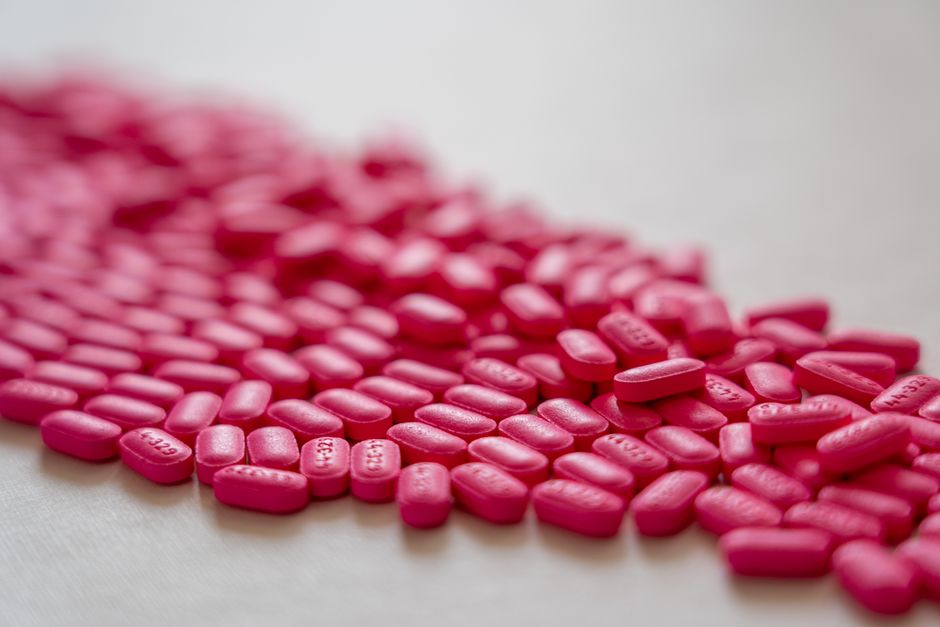
Social media is buzzing with an unconventional fix for two notoriously hard-to-treat women’s health conditions: pairing two over-the-counter antihistamines. The regimen typically combines famotidine, sold under the brand Pepcid AC, and fexofenadine, the active ingredient in Allegra. Women report that taking the duo mitigates the severe emotional swings and crushing fatigue of premenstrual dysphoric disorder (PMDD) and menopause.
The trend resonates with many who have struggled to get effective care. PMDD and the menopausal transition can bring devastating physical and psychological symptoms, yet relatively few patients receive adequate help, experts say. Dr. Alison Huang, a professor and director of the Women’s Health Clinical Research Center at the University of California, San Francisco, suggests that when people suffer from persistent symptoms and standard strategies fail, it is understandable that they search for alternatives elsewhere.
To understand whether the antidote makes sense, it helps to look at histamine. This immune-system chemical is best known for triggering allergic reactions, but it acts through receptors throughout the body. H1 receptors drive classic allergy symptoms like itching and sneezing, and H1 blockers such as Allegra shut them down. Pepcid, on the other hand, is an H2 blocker, targeting receptors mainly in stomach cells that influence acid secretion, flushing, and headaches.
Could these receptors play a role in perimenopause? There is a plausible biological link: during perimenopause, ovaries produce fluctuating levels of estradiol, a form of estrogen that can stimulate mast cells to release histamine. That may explain why allergy symptoms often flare up around menstrual cycles and perimenopause, says Dr. Amy Voedisch, a clinical associate professor of obstetrics and gynecology at Stanford University School of Medicine. Yet Huang notes that expert consensus currently holds that perimenopause symptoms themselves are not driven by histamine. Voedisch explains the logic behind the online trend: if histamine does worsen these symptoms, then blocking it could bring relief—and there are anecdotal accounts of women noticing fewer hot flashes after being prescribed antihistamines for unrelated issues like hives or acid reflux.
For PMDD, interest is newer but growing. Jennifer Gordon, an associate professor at the University of Regina and a member of the International Association of Premenstrual Disorders (IAPMD) clinical advisory board, says women have been experimenting with antihistamines for PMDD for about a year. However, IAPMD’s May 2026 position statement concluded there is insufficient evidence that histamine tolerance, mast cell activation, or related immune mechanisms are a primary cause of premenstrual disorders. Still, Gordon says she would not be surprised if histamine and immune processes contribute for some people, and Jessica Peters, a clinical psychologist and associate professor at Brown University, agrees that antihistamines might help a subset of PMDD patients—but definitely not everyone. “We don’t yet have a sense of what someone should expect,” Peters says, noting that many patients report no benefit.
There are also risks to consider. Dr. Voedisch says trying the Allegra-Pepcid combination is not an unreasonable move if other options have failed, but she stresses that the evidence base is thin. The available research is sparse, including a 1976 paper on histamine fluctuations across the menstrual cycle and limited rodent studies linking histamine to anxiety-related brain regions. Because elevated histamine can mimic perimenopause symptoms—hot flashes, sleep disruption, anxiety—it can be hard to tell what is actually causing what. Experts advise anyone considering the regimen to talk to a doctor first, especially since PMDD and menopause symptom relief requires a personalized approach.