Google has placed artificial intelligence at the very front of its search engine, the most visited site on the internet. Users still see the familiar list of links, but they now have to scroll past a chatbot-generated summary, a feature the company calls AI Overviews, to reach them. The change is having a profound effect on how billions of people browse the web.
Liz Reid, Google’s vice-president of search, wrote last August that AI is driving the most significant upgrade to Google Search ever. In May, the company said even more AI is on the way. As users grow more comfortable with chatbots, they are spending more time with Google’s assistant and therefore more time on Google.com itself, rather than clicking out to other sites.
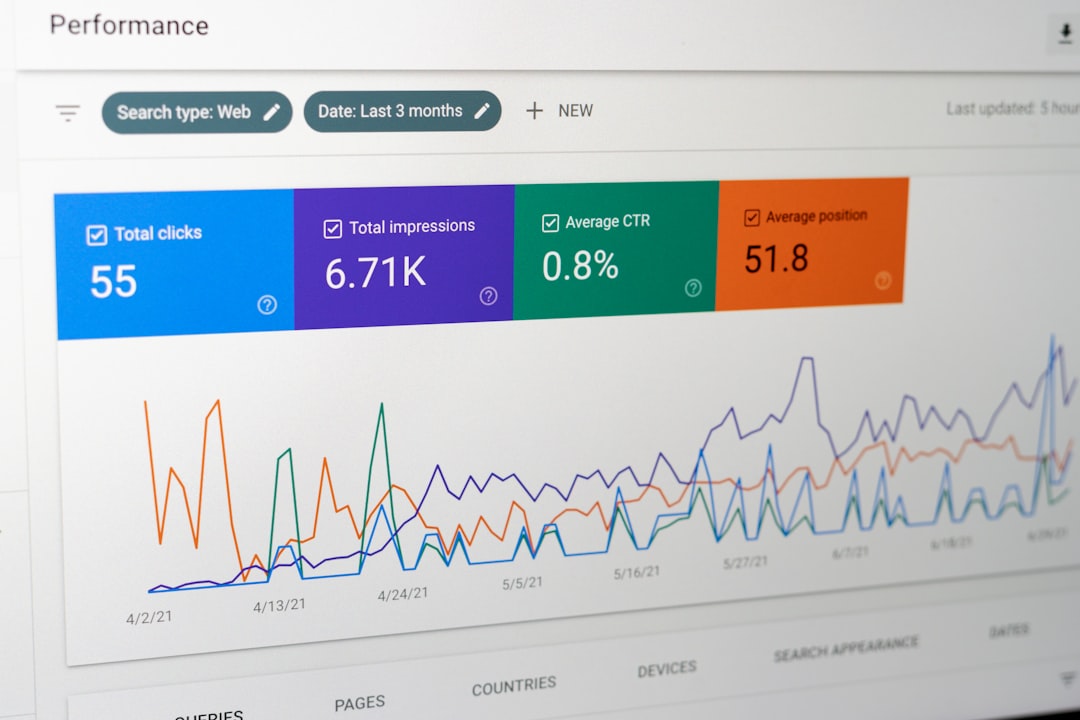
That shift is worrying publishers. Studies, media outlets, and website owners are finding that if an AI Overview offers a good enough answer, people navigate less to outside sites, even when the bot cites the sources that feed it. Clicks — also known as traffic — are often the primary way websites earn money from advertising. Major US media companies are now suing Google, alleging that AI summaries have redirected and reduced traffic to their pages, cutting into their revenue.
Google disputes the claims, saying it has not observed a decline in overall traffic and describing such accusations as based on “flawed methodologies.” Reid wrote last year that total organic click volume from Google Search to websites has been “relatively stable” year over year.
The Guardian is now asking readers: do you think Google’s infusion of AI has made its search engine better or worse?