At the Torkham crossing between Pakistan and Afghanistan, known locally as Zero Point, families arrive exhausted, carrying children, chickens and whatever possessions they managed to salvage. Nazia, 35, was born in Pakistan but had never visited Afghanistan until her deportation. “It feels good to be in my own country,” she said. “But I’ve never been to Afghanistan before and many people here don’t even have enough bread to eat.” She walked with two of her children toward registration counters draped with white-and-black Taliban flags.
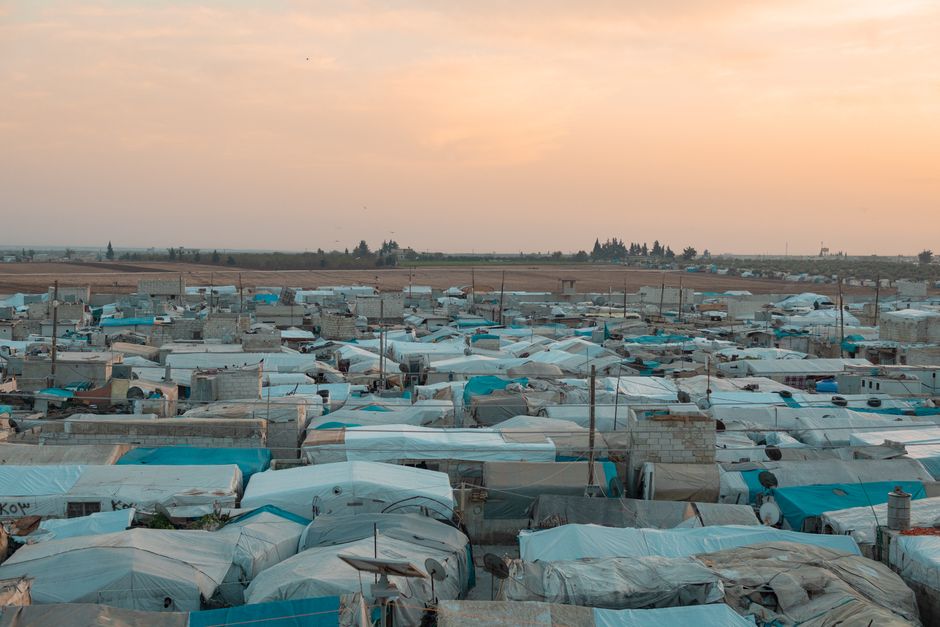
Nazia is among roughly six million people who have returned to Afghanistan in under three years, according to the UN refugee agency (UNHCR). The agency described the movement as unprecedented in recent history. “In a little under three years, we’ve seen six million people, a population that is itself the size of a small country, come back to Afghanistan,” said Charlie Goodlake, UNHCR spokesperson. “We’ve never seen in recent history a return movement on this scale,” he added, standing in the baking heat of a tented village near the border, where tarpaulin shelters are already tattered and torn.
Many returnees have spent decades abroad, and some, like Nazia, have never set foot in Afghanistan at all. Sarwar, who arrived days earlier with seven brothers and their families in a convoy of 40 people, explained he had left 45 years ago during the Soviet invasion of Afghanistan and most of his brothers were born in Pakistan. “We spent a long time there, so of course I felt heartbroken when they forced us out of our home,” he said. “But, despite all that pain, I am also happy because I am finally free of harassment by Pakistan’s police.” Almost every family told the BBC they had experienced prejudice and harassment from Pakistani authorities. A Pakistani foreign ministry spokesman, however, said the government takes necessary measures to prevent any harassment or maltreatment of Afghan nationals, describing any such incidents as sporadic and fully dealt with under the law.
Pakistan and Iran both argue it is past time for Afghans to return home, citing security risks and the financial burden of hosting millions. The expulsions intensified after a major escalation in fighting between Pakistan and Afghanistan last October. In February, Human Rights Watch documented door-to-door raids, late-night home searches and arrests without warrants. Iran, which claimed last year to host more than four million undocumented Afghans, accelerated mass deportations after its 12-day war with Israel and the US in June 2025. The New York-based Center for Human Rights in Iran accused authorities of using the post-war climate to cast suspicion on Afghan migrants, branding them as potential spies for Israel.
The UN’s refugee agency continues to insist that any return should be “voluntary, safe and dignified.” Yet in a sweltering transit tent, where temperatures reached 41C, Zarina, 40, said, “We have no resources to start a business or earn a living, and we don’t even own a tent to live in.” Asked whether she worries about the future for women and girls under Taliban rules that bar them from much of public life, including secondary school and university, she gestured toward the girls clustered around her and replied, “Of course I’m worried.”
Some returnees are terrified rather than merely worried. A former Afghan security guard, deported first from Iran and then from Pakistan, told the BBC he lives in hiding. “I have no trust in their amnesty because many of my colleagues have been killed,” he said, dismissing the Taliban’s promise that former officials and security personnel would not face retaliation. His family, he said, is afraid to go outside. The hardship is compounded by sharp cuts in foreign aid worldwide and sanctions tied to the Taliban’s record on terrorism and human rights. Pakistan, meanwhile, confirmed that 16,000 vulnerable Afghans have been granted temporary humanitarian relief.